Why a 20-Year Building Lease Is a Risk to a 2-Year Food Manufacturing Contract

In the food manufacturing sector, businesses often manage a mix of long- and short-term contracts. This means requirements for space fluctuate depending on active agreements and seasonal product demand. While these contracts can be incredibly profitable, they are often fairly short-term.
Retail supply agreements, seasonal production runs and private-label contracts frequently span 12 to 36 months. So why do so many manufacturers take on 20-year property commitments to deliver them?
That mismatch between contract length and building lifespan can quietly introduce serious financial and operational risk.
The hidden risk of long-term property commitments
When a food manufacturer secures a two-year contract, the natural instinct is to ensure there’s enough production and storage capacity to deliver. But investing in permanent expansion, or signing a long commercial lease, locks the business into fixed overheads long after the contract ends.
If the agreement isn’t renewed, or volumes drop, you’re left paying for unused warehouse space as well as higher utility and maintenance costs. In an industry where margins are often tight and raw material costs fluctuate, carrying unnecessary overhead can significantly impact profitability.

Why storage flexibility is critical in food manufacturing
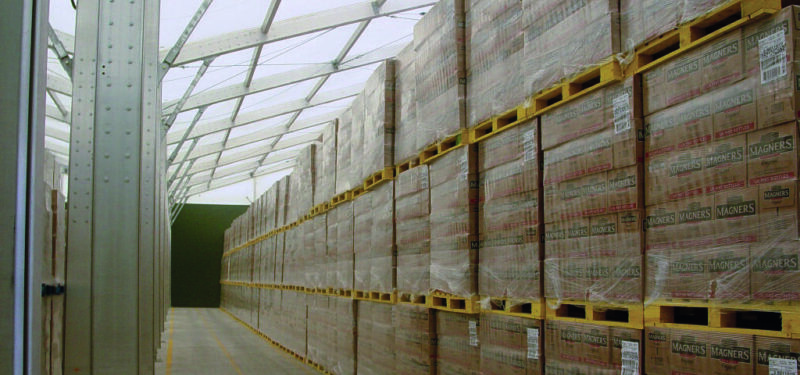
Food manufacturing relies heavily on safe, compliant storage for both raw ingredients and finished goods. Capacity requirements can shift quickly due to things like seasonal demand spikes, product launches and changes in consumer buying patterns. Being adaptable to these changes is key to remaining profitable year-round.
Temperature-controlled environments become essential for chilled, frozen, or ambient goods. But committing to expensive specialised facilities offering permanent cold storage for a contract that may only last two years can create long-term financial strain.
The challenge isn’t just finding space, it’s finding the right space, at the right time, for the right duration.
Offering a smarter alternative
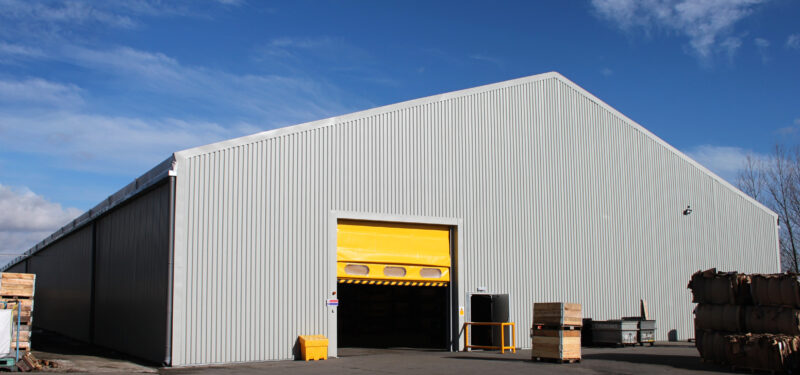
Temporary warehousing and manufacturing space offers a practical solution to this problem. Instead of committing to 20 years of additional overhead, manufacturers can align space directly with contract length. Short-term rental agreements from Spaciotempo allow businesses to expand capacity when needed and reduce it just as easily.
Key benefits for food manufacturers include:
- Scalable Capacity: Increase storage during peak production periods and reduce it once demand normalises.
- Temperature-Controlled Options: Maintain food safety standards with compliant chilled, frozen, or ambient storage solutions.
- Cost Control: Only pay for the space you actively use. Avoid long-term property commitments that outlast contracts.
- Operational Agility: With lead times as short as 6-8 weeks you can react quickly to new opportunities without waiting for lengthy construction projects.
- Relocatable Structures: If your operations move or expand to a new site, temporary buildings can move with you preserving your investment.
Supporting high-volume distribution
Modern food supply chains demand fast, efficient movement of goods to retailers, food service providers, and distribution hubs. Temporary warehouses are designed to accommodate your business. With customised structures you can ensure smooth inbound and outbound logistics during contract peaks.
Protecting profitability in a competitive market
The food manufacturing sector operates in a highly competitive environment where agility is a major advantage. Long-term building commitments made for short-term gains can reduce flexibility and increase financial risk. Temporary warehousing allows manufacturers to match infrastructure to contract duration scaling production in line with real demand so you can stay in control of operational costs.
Does your operational strategy support your contracts or put them at risk? If you’re considering temporary storage for your food manufacturing business get in touch with our sales team today.

Start your build today
Try our Building Configurator to visualise your ideal space.